Lead Magnet: Culturally Sensitive Brand Content
Skills Demonstrated: Cultural sensitivity and tonal restraint, brand storytelling through educational content, audience-aware copywriting for lead generation.
Deliverable: Long-form brand content created as a lead magnet for a bakery with national delivery.
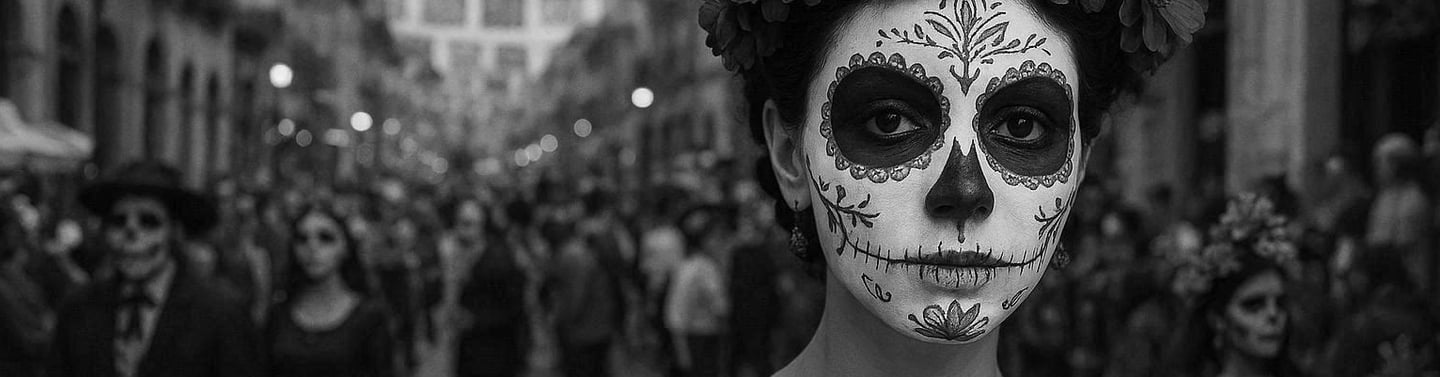
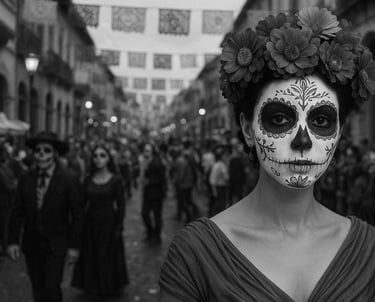
You’ve probably seen her: La Catrina. Her skeletal grin beneath a wide hat. She’s the image most tied to Día de los Muertos. With iconic symbols and vibrant colors, the cultural holiday has been celebrated for centuries. But how much do you know about it? Its meaning? Let’s take a closer look.
How it All Began
We trace its roots to the Aztec Empire in Central Mexico. Believing the souls of the dead could visit the living, the Aztecs performed month-long rituals with food and water to aid spirits on journeys through the underworld of Mictlán. After Spanish colonizers arrived in the 1500s, these Indigenous traditions blended with the Catholic observances of All Saints’ Day and All Souls’ Day, evolving into the celebration we know as Día de los Muertos.
It’s Not Mexican Halloween
While Halloween and Día de los Muertos share some roots in Catholic feast days, the similarities stop there. Halloween is for macabre whimsy and reveling in ghoulish delights. While often festive, Día de los Muertos is a deeply spiritual remembrance of lost loved ones. It is a time for reflecting on the lives we miss and the enduring bonds between the living and the dead. Día de los Muertos celebrates life with the understanding that one day we will join others in death.
That doesn’t mean the mood is heavy. Families may remember a colorful grandparent with a chuckle. Town plazas come alive with music and dancing. Ultimately, Día de los Muertos carries a reverence for ancestors that sets it apart from Halloween fun.
What’s the Deal with the Skulls?
The skull—la calavera—is integral to Día de los Muertos. Its bright colors carry specific meaning: purple for grief, pink for joy, and orange and yellow for remembrance. Placed on tiered altars, sugar skulls represent departed souls and are a key part of the offering—la ofrenda.
What makes an ofrenda? Four main elements: earth, wind, fire, and water. These are often represented by food grown in soil, colorful tissue paper that flutters in the wind, candles, and glasses of water to quench the thirst of visiting spirits. Marigolds are also essential; their vibrant color and scent are believed to guide souls back to the world of the living.
And then there is La Catrina—the skeletal figure in an elegant dress who appears at nearly every Día de los Muertos gathering. She began as a satirical etching in the early 1900s, was popularized by artist Diego Rivera, and serves as a reminder that all are equal in death.
Some Dos and Don’ts of Día de los Muertos
Do:
Get your face painted—with respect. A painted face is less cosplay, and more a recognition of the bond we share with the dead.
Make an ofrenda. It can be both celebratory and cathartic. Creating a tribute to the deceased is a meaningful way to honor loved ones and process grief.
Support local festivals. Many U.S. cities host Día de los Muertos events, and participating helps sustain the tradition within local communities.
Don't:
Assume face painting is appropriate everywhere. While welcomed at festivals, it may be out of place in more formal gatherings centered on an ofrenda.
Treat cemeteries as sightseeing destinations. Graves are decorated for intimate remembrance, not for gawking or selfies. If you visit, maintain a respectful distance.
Settle for mass-produced baked goods. Authentic traditions are best honored through the work of independent makers. Mexican wedding cookies are a thoughtful choice for ofrendas.
It’s Part of a Global Tradition
Honoring the dead through ritual and festival is not unique to Día de los Muertos.
During Obon, families in Japan welcome the spirits of their ancestors with paper lanterns and traditional meals.
The Hindu observance of Pitru Paksha centers on food offerings made to nourish departed ancestors.
In Cambodia, Pchum Ben marks a time when the deceased are welcomed back among the living.
Buddhist and Taoist communities observe the Hungry Ghost Festival, offering feasts to satisfy famished spirits.
Join the Festivities
You can begin with a small altar at home. Ofrendas often include a loved one’s favorite foods, incense, and pan de muerto—bread of the dead—a sweet treat closely tied to the holiday. Some people write calaveras: short, slightly irreverent poems honoring the dead with affection and humor.
Is there a Día de los Muertos festival near you? Given the size and reach of Hispanic communities across the United States, there often is. You might bring a small remembrance for a communal ofrenda. Expect music ranging from mariachi to cumbia, folk art displays, puppet parades, candlelit processions, and traditional dishes such as tamales, mole negro, pozole, and sopa azteca.
The souls of the departed live on through memory and ritual, just as we will live on through those who follow. Día de los Muertos offers a way to hold grief and joy together—to acknowledge loss while celebrating the continuity of life.
Guide to Día de los Muertos
william@williammccleary.com
© 2026. All rights reserved.